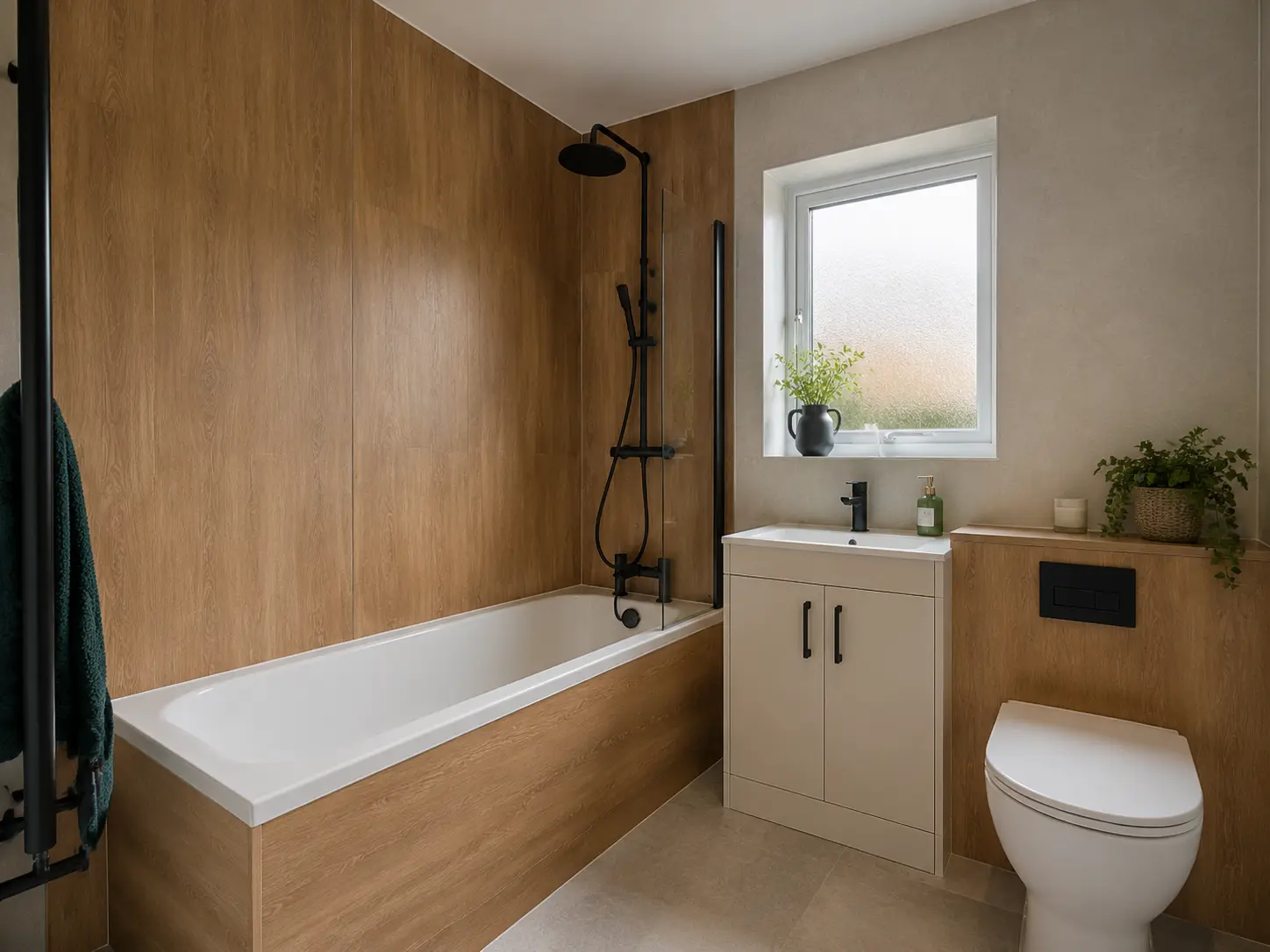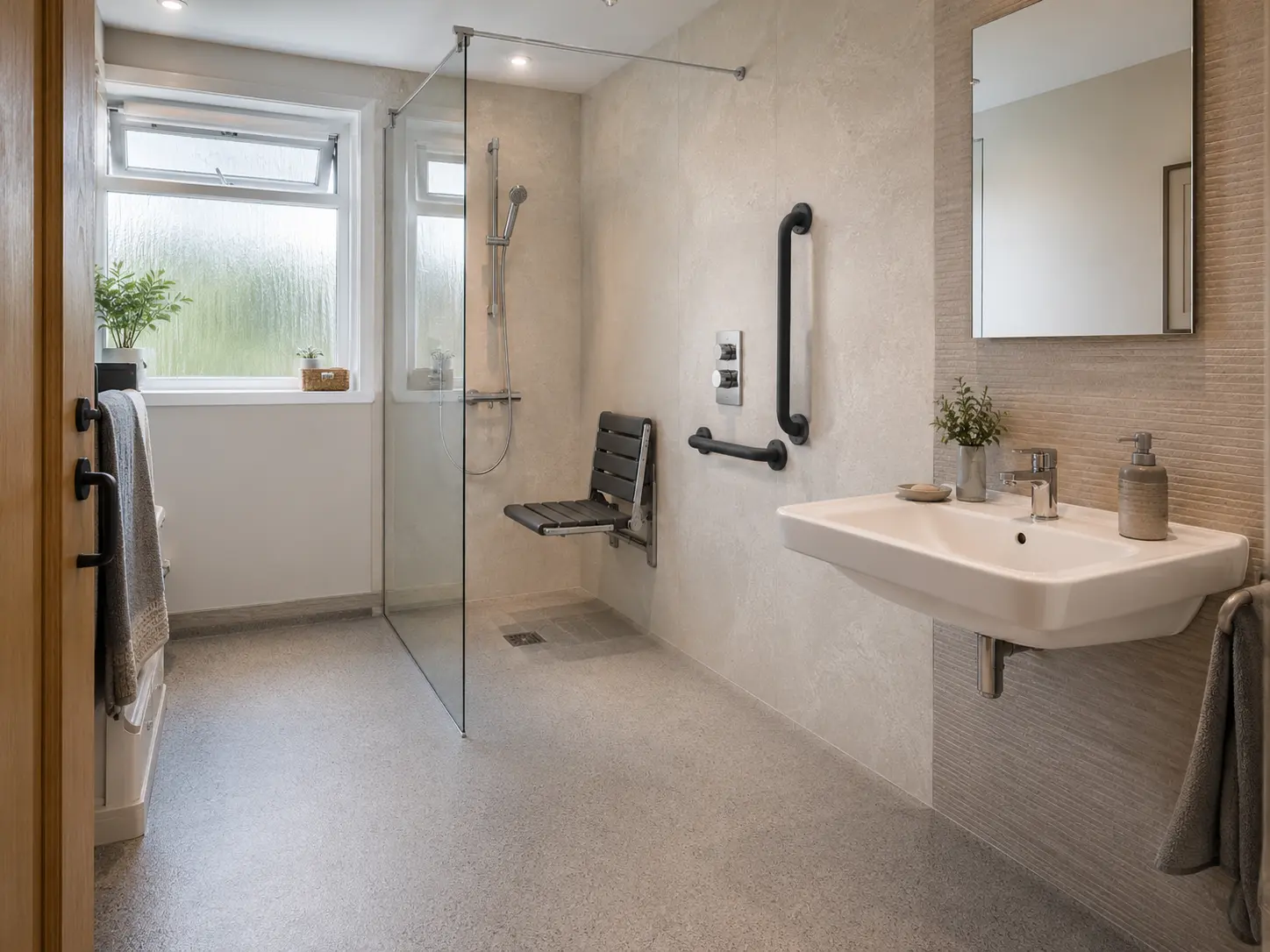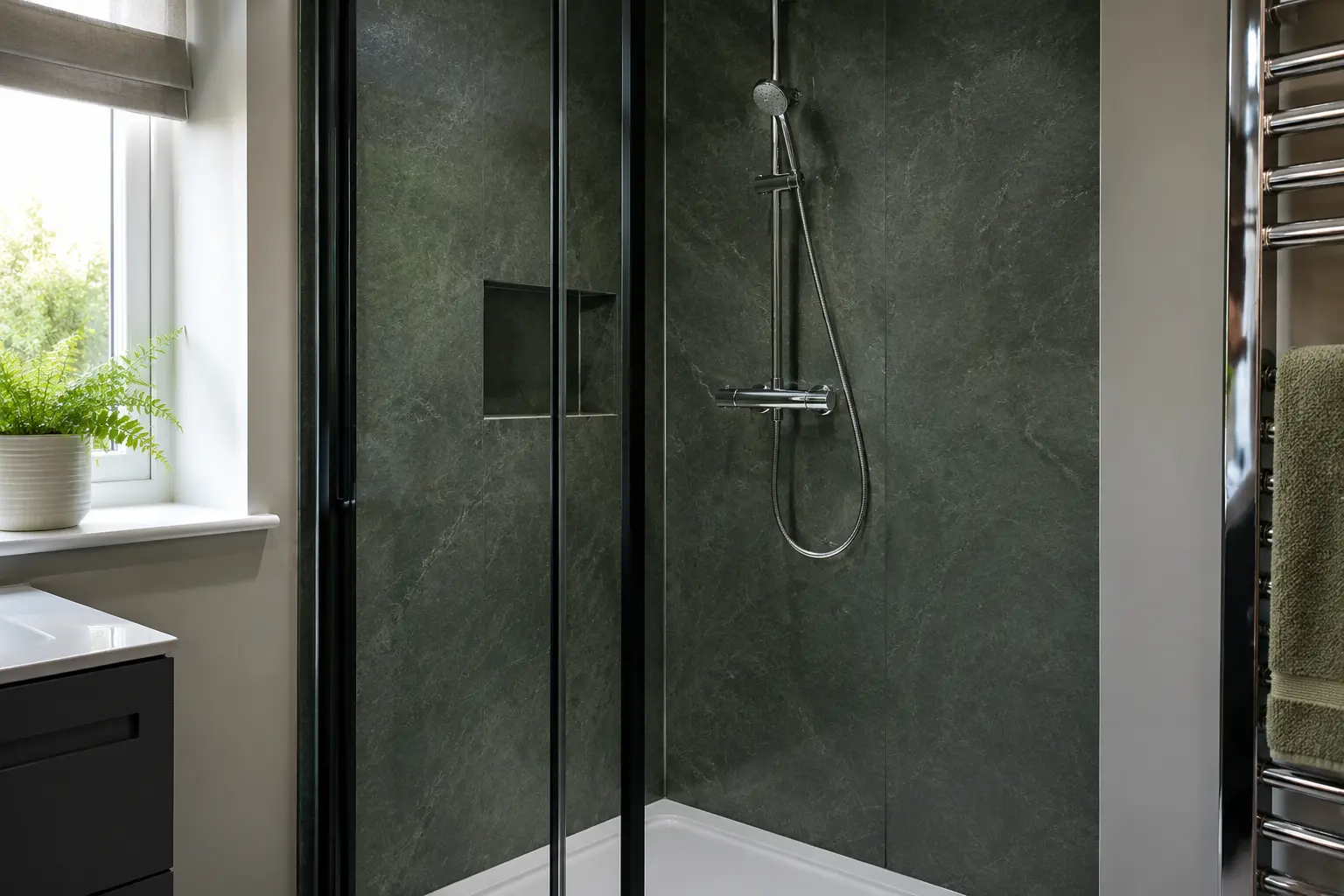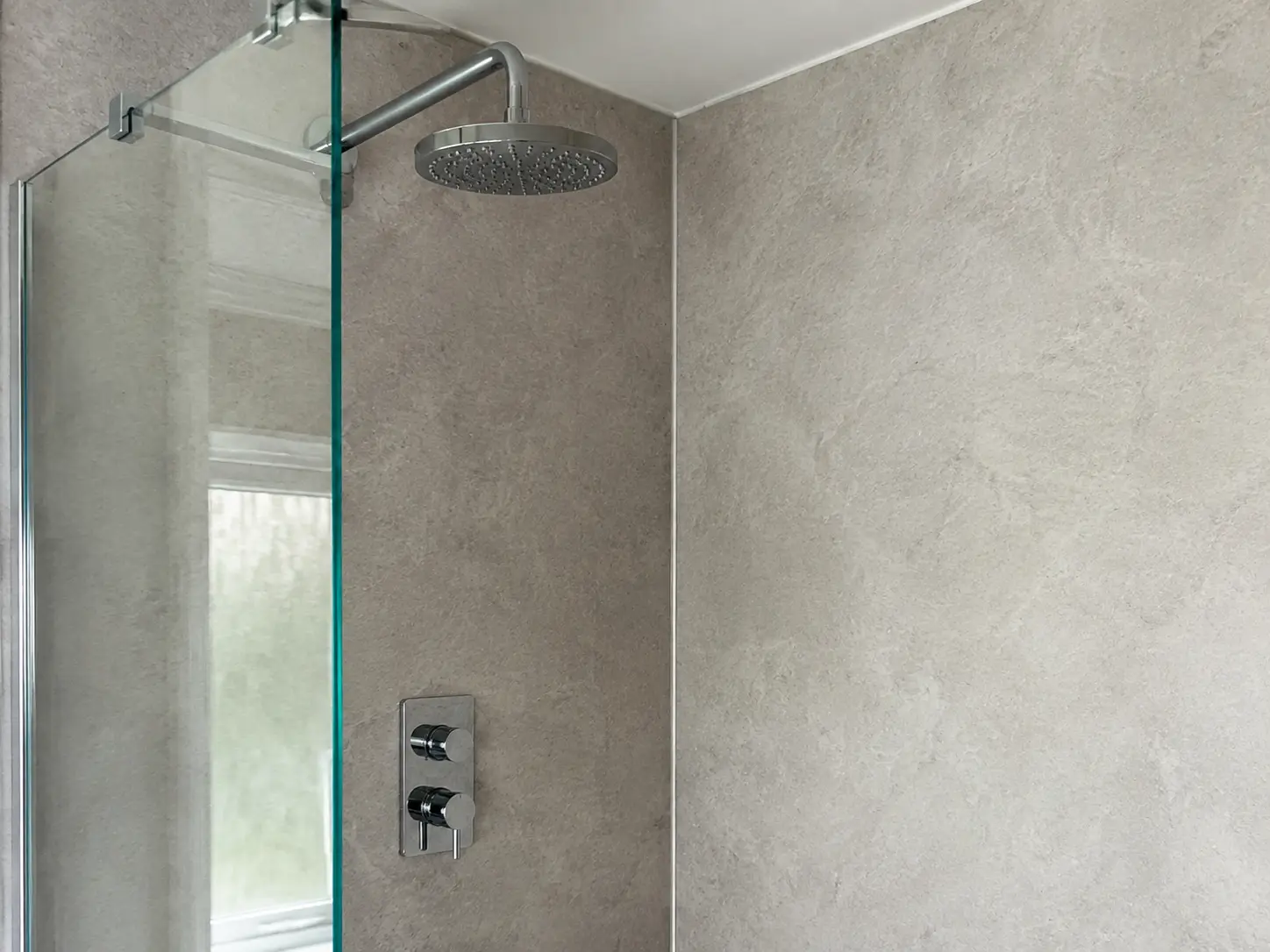
Start with the care guide for your panels
The correct cleaning method depends on the panel surface and the products used at its joins. Find the manufacturer's care instructions before choosing a cleaner. If you do not know the range, check the quote, invoice or leftover packaging, or ask the installer. A stone or marble pattern does not mean the panel should be treated like real stone. General bathroom cleaners vary in strength, and a product suitable for one surface may damage another. Keep the instructions somewhere easy to find rather than relying on the label's broad claims.
Use a simple routine after showering
Remove loose soap and shampoo residue before it has time to build up. Where the care guide permits, a soft damp cloth and a suitable mild cleaner are a straightforward starting point. Rinse as directed and leave the surface free of cleaning residue. A gentle wipe after use can reduce the amount of scrubbing needed later. Use a clean cloth so grit is not dragged across the finish. Follow any special instructions for textured areas, printed finishes or metal trims, which may need different care from the main panel face.
Do not reach first for an abrasive pad
Scouring powders, rough pads and aggressive scrubbing can mark some bathroom panel surfaces. Do not assume that more pressure is the answer to a stubborn deposit. Check the approved cleaning method and allow the product to work only as instructed. Avoid experimenting with strong chemicals or homemade mixtures. Never mix cleaning products. If a mark remains after the permitted method, contact the panel supplier with the product details and a photograph. A permanent scratch or damaged finish can be harder to deal with than the original deposit.
Deal with limescale using the approved method
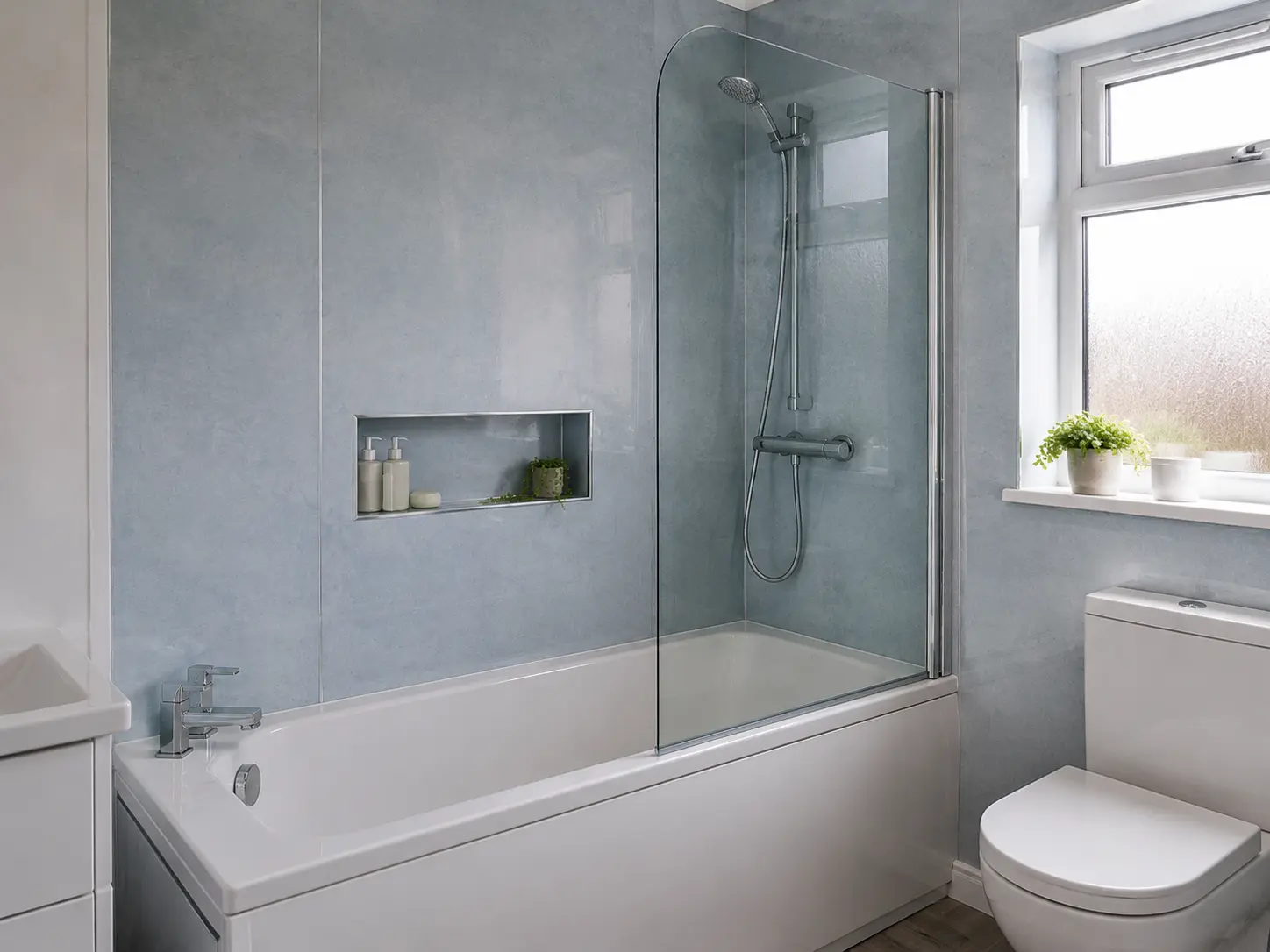
Water marks can collect around taps, shower fittings and lower edges. Use only a limescale treatment that the panel manufacturer allows, with the stated dilution and contact time where supplied. Do not transfer advice for one laminate or acrylic range to another. Protect nearby taps, seals and trays according to their own instructions too. Rinse thoroughly where required and wipe without scratching. If the bathroom has several different materials, it may need more than one care method rather than a single strong product sprayed over every surface.
For help with your room, see our Wet Wall Panels in Hamilton for Showers and Bathrooms service.
Clean corners and edges gently
The flat centre of a panel is only part of the cleaning job. Soap can collect beside a tray, along a bath edge and around controls. Use a soft cloth to reach these areas without pulling at sealant or pushing tools into the joint. Look for gaps, lifting edges or a panel that has started to move. Cleaning cannot repair a failed seal or a loose board. Report changes early and avoid continuing to direct shower water at an area that may be letting water behind the finish.
Keep bottles and accessories from trapping water
Check behind freestanding bottles, baskets and other items that sit against the wall. Residue and moisture can collect where they are rarely moved. Choose storage that can be cleaned easily and does not require unplanned holes through the panels. If you want to add a shelf, ask how it will be fixed and sealed for the installed system. Suction accessories may also have restrictions on particular surfaces. The useful test is whether the item stays secure and allows routine cleaning without damaging the finish or its joins.
Ventilation still matters after cleaning
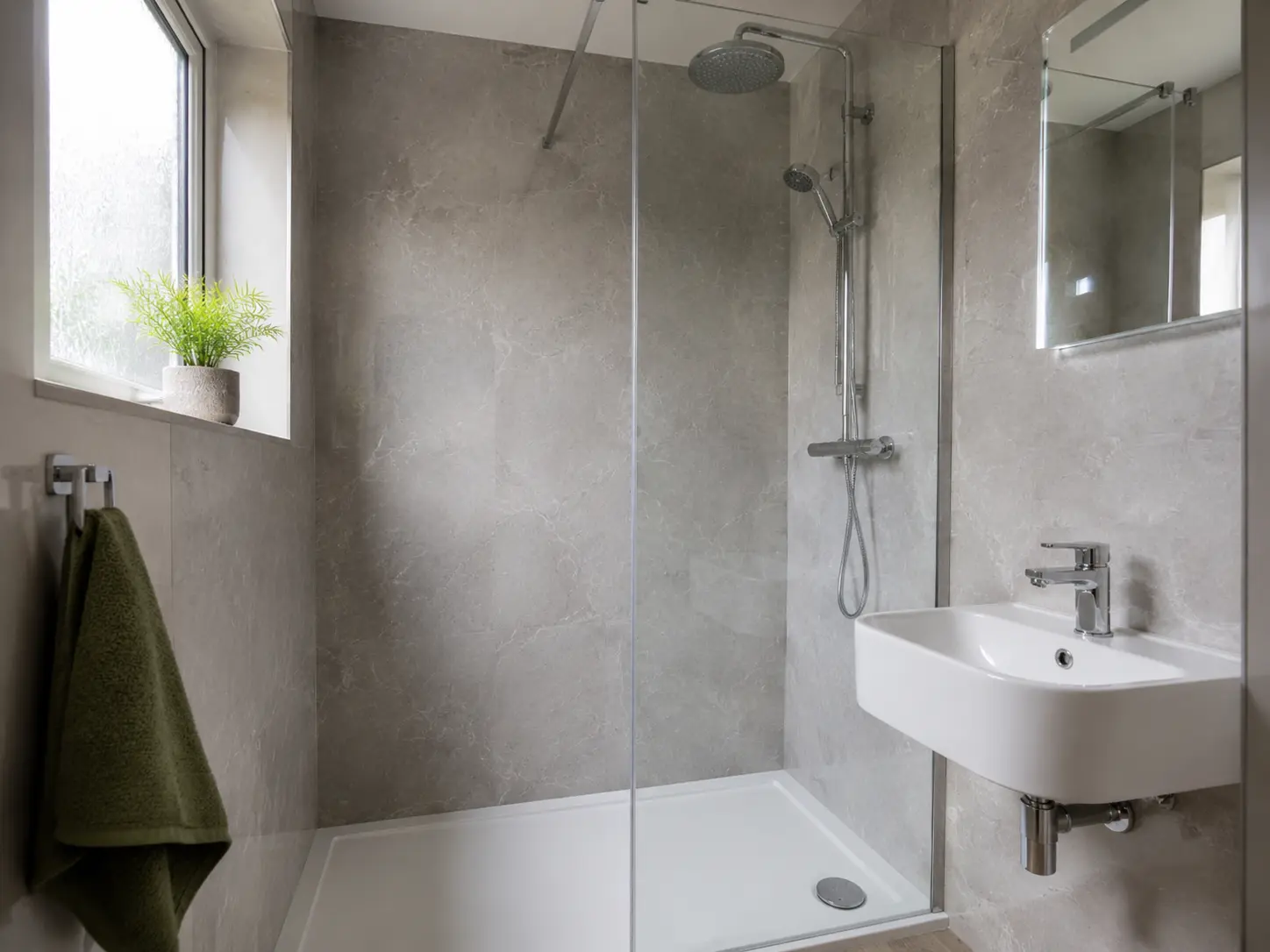
Wall panels do not remove steam from the air. Use the bathroom's ventilation as intended and raise concerns about a noisy or ineffective extractor. Persistent condensation, staining or a musty smell needs more attention than repeatedly wiping the visible surface. The cause may involve ventilation, heating, a cold surface or a leak, and should be investigated appropriately. Do not paint over or cover a recurring damp mark without finding out why it returns. Keep ordinary cleaning separate from repairs so a developing problem is not mistaken for dirt.
Know when to ask about a repair
Swelling, cracking, movement or a changed joint should be shown to the installer or supplier. Take clear photographs and note when you first noticed it and whether it changes after the shower is used. Keep the product reference and any fitting or warranty documents available. Do not cut into the wall or add a layer of sealant over damage without advice on the cause. A repair needs to deal with the affected fitting or surface, not just make the mark less visible for a short time.
Build the care routine into a new bathroom choice
When comparing panels for a Hamilton bathroom, ask for the cleaning guide before ordering. Think about which areas will collect splashes and whether shelves, screens and furniture allow you to reach them. A simple finish can reduce the number of grout joints, but it still benefits from regular care and visible seal checks. Keep the final panel name with the quote so replacements and cleaning advice can be identified later. Choose a room you can look after comfortably as well as one whose colours you like.